Search Results
For ' *basil* '
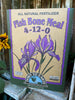
Fish Bone Meal 4-12-0
Fish Bone Meal is a marine based alternative to traditional steamed Bone Meal and is wonderful for all flowering plants, trees and shrubs. A great source of Phosphorus and Calcium, Fish Bone Meal also contains a small amount of Nitrogen and is an ideal fertilizer for new garden beds, perennials and bulbs. One of our favorites for Tomatoes. Fish Bone Meal is a suitable substitute for Bone Meal. Fish Bone Meal contains seven strains of beneficial soil microbes that create...
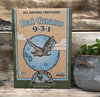
Bat Guano
Natural Bat Guano is a premium organic fertilizers, being is rich in readily available Nitrogen, Phosphorus and Micronutrients and provides essential plant nutrition for flourishing vegetative growth and early fruit and flower. Bat Guano is fast acting and highly effective. Great when mixed into potting mediums, applied as a side dress or steeped to make a potent guano tea or foliar spray. Longer aging results in the release of the nitrogen vapor while enriching the phosphorus content making this an...
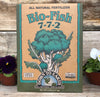
Bio-Fish 7-7-2 Organic Fertilizer
Bio-Fish 7-7-2 is a superior all purpose organic fertilizer for heavy feeders like squash, tomatoes, corn, and brassica crops. Broadcast or use in each transplant hole. Bio-Fish is granulated for easy application and slow release. Humates enhance soil development by loosening clay soils to promote deep root expansion and better penetration of water and plant nutrients. In sandy soils Bio-Fish improves nutrient content and adds humus to improve moisture retention. Application Rate: Apply 3 to 6 lbs per 100 sq.ft. Additional...
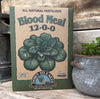
Blood Meal 12-0-0 Organic
Organic Blood Meal is a readily available, rich source of high nitrogen fertilizer. Blood Meal quickly promotes rapid, green growth which makes it a perfect fertilizer for heavy feeders like corn, spinach, salad greens in the early spring and when planting garlic. It also helps compost piles heat up and break down rapidly. . Application Rate: Apply 2-4 lbs per 100 sq.ft. Additional application rates included on package. Available in our trial 8 oz size, 4 lb box, 5 lb...
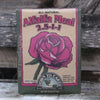
Alfalfa Meal 2.5-1-1 Organic Fertilizer
All Natural Alfalfa Meal is an excellent fertilizer, soil conditioner and amendment. Alfalfa Meal is a rich source of trace elements and natural growth stimulants. Recommended for all flowering shrubs and especially roses, Alfalfa Meal accelerates growth and promotes larger and more plentiful blooms. It is also useful as a compost bio-activator due to its high organic matter content and ideal Carbon-to-Nitrogen ratio. Apply 5 to 10 pounds per 100 sq. ft. Additional application rates included on package. 5 lb box,...
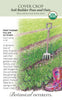
Soil Builder Peas & Oats Cover Crop
Organic, peas and oats are a dynamic duo of easy-to-grow cover crops that improve your garden's soil fertility and structure. Peas add nitrogen to the soil while past-growing oats provide green manure. Ideal for a fall or spring cover crop for healthier, more productive garden soil. Heirloom | 7-14 days to emerge | 65 grams | Open Pollinated | Untreated USDA Organic | NON GMO Verified
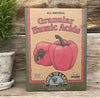
Granular Humic Acid Soil Conditioner
Granular Humic Acids soil conditioner, also known as Humate Soil Conditioner is a highly concentrated source, ideal for use on fields, turf and vegetable gardens. Derived from the ancient remains of decomposed organic plant materials, humic acids enhance nutrient uptake and stimulate soil microbial life. Humic Acid is a "super compost" and encourages root development to grow even deeper in clay soils. Naturally occurring, unaltered oxidized lignite containing 70% total humic and fulvic acids, crushed, screened and graded to a...
Azomite Mineral & Trace Elements
Azomite slow-release is a natural rock dust from Utah and an amazing Organic Fertilizer full of Minerals and Trace Elements. Results of using Azomite are amazing and nearly immediate. Minerals in Azomite Organic Fertilizer are necessary to optimal metabolism in living things. Additives, synthetics or fillers are never added, which makes Azomite perfect for organic gardens, orchards raised beds and farms. Azomite has 67 major and trace elements, that's A to Z of minerals including trace elements. Typical analysis...
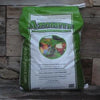
Azomite Granular 10 LB or 44 LB
Granular Azomite is an amazing remineralizing agent that contains over 70 beneficial minerals and trace elements that is suitable for all plant types. The naturally mined volcanic minerals are steamed into granular form for easy application, and are proven to increase yield, quality, early maturity, and add protein. Also reduces insect damage. Azomite is a great turf enhancer without the hassle of dust. It is odorless, will not burn plants and will not restrict aeration or water penetration. Azomite is not...
- ← Previous
- Page 2 of 63
- Next →